Hidden Water Risks for Gila Valley Homes — What You Might Be Overlooking

Hidden Water Risks for Gila Valley Homes — What You Might Be Overlooking
You might think the dry Arizona climate gives your home a break from water damage. But in the Gila Valley — Pima, Thatcher, Safford — water trouble often comes in quietly, then turns into something much more serious. At Legacy Restoration, we see these sneaky risks all the time. Here’s what to watch for, and how to protect your home before the damage piles up.
1. Monsoon Storm Surprises & Flash Flooding
What looks like heavy rain can lead to hidden damage.
During monsoon season, storms dump large amounts of water in short bursts. Surface water may run where you expect, but often it overwhelms drains or gutters and flows into crawlspaces, basements, or low spots around the foundation.
What you can do:
Keep gutters clean and downspouts directing water at least 3–5 feet away from your foundation.
Check the grade around your home — make sure landscaping slopes away.
If you’re in a flood-prone spot, consider installing a flood barrier or sandbags before storms.
2. Roof and Flash Damage from Storms
The desert heat, wind, and sudden storms are tough on your roof.
Even if your roof looks okay, high winds, tree debris, or hail during monsoons can crack or lift roofing materials. A small gap can let water in that rots wood, damages drywall, or grows mold.Preventive steps:
Get annual inspections, especially after storms.
Replace missing or damaged shingles, seal exposed edges.
Trim trees that might slam into your roof in high winds.
3. Aging Pipes & Plumbing Failures
Old plumbing can fail without warning.
In many Gila Valley homes, pipes, joints, or water heaters are decades old. Small leaks behind walls or under floors often go unnoticed until the damage is visible (and expensive).
What to watch for:
Any damp walls, ceilings, or musty smells.
Rising utility bills without obvious cause (could be a hidden leak).
Aging fixtures or heaters past their expected lifespan.
What to do:
Inspect visible plumbing regularly.
Replace old piping or components before they fail if they’re beyond expected lifespan.
Use hose clamps, braided hoses, or quality materials when doing replacements.
4. Swamp Coolers & Condensation Issues
Cooling methods themselves can lead to water problems.
Many homes in Thatcher, Pima, and Safford use swamp coolers. If they overflow or their piping leaks, water can damage ceilings, siding, or roofing. Even condensation in poorly ventilated spaces can lead to mold problems.
Preventive tips:
Maintain swamp coolers before summer — check valves, seals, and drainage.
Ensure proper ventilation in attic spaces or any enclosed area.
Install drip pans or overflow protection where needed.
5. Appliances, Drains & Sewers
A washer hose or dishwasher seal might seem small — until it isn’t.
Appliance hoses degrade, seals fail, and drains clog. Sewers or older drain lines can be invaded by tree roots. These failures may leak slowly at first — hidden under flooring or behind cabinetry — but over time can cause big repair bills.
Protective measures:
Inspect hose connections and seals annually.
Use stainless or braided replacement hoses.
Don’t pour grease or heavy debris down drains.
Consider backflow prevention if sewer lines are aging or vulnerable.
6. Hidden Damage After the Fact
Sometimes the worst damage is invisible — until it isn’t.
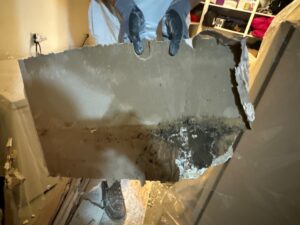
Water that has soaked into insulation, wood structure, drywall, or behind tile may not show up until weeks or months later — mold, warping, rot, odors, structural weakening.
What you should do:
Act quickly: even small leaks deserve attention.
Use professional moisture detection tools. Legacy Restoration has tools to find water where you can’t see it.
Get repairs started quickly — drying, disinfecting, restoring before bigger issues set in.
Why Quick Action Saves Money (and Home Value)
Mold can begin growing in 24–48 hours if moisture lingers.
Structural damage (rot, warped wood, damage to drywall) gets much more expensive the longer it’s ignored.
Hidden issues reduce home value, increase insurance risks, and can lead to health problems.
How Legacy Restoration Helps
When you call us, we don’t just mop up water — we help protect your home from long-term damage.
Our process includes:
Emergency assessment & moisture detection — find hidden water fast.
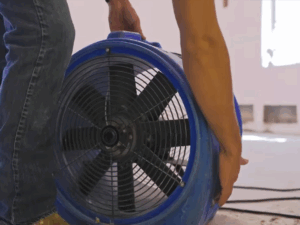
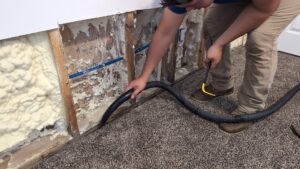
Water extraction and drying with commercial-grade equipment.
Cleaning, disinfecting, and restoration — replacing materials only when needed.
Monitoring to make sure moisture levels are safe before closing up.
Takeaway: Don’t Let “Too Small” Become “Too Much”
Check on things now — roof, plumbing, appliances.
Don’t wait for visible damage to act.
Even in dry climates, water risks are real — especially during monsoons or with aging infrastructure.
If you ever suspect water damage — big or small — call Legacy Restoration. We’re your neighbors in the Gila Valley, ready 24/7 to help keep your home safe and sound.