Drying Is Just One Step, Not the Whole Solution
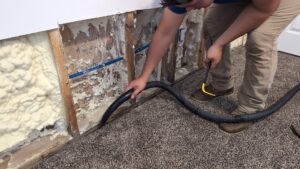
Drying focuses on removing visible moisture from affected areas. While this step is critical, it doesn’t address everything water damage can impact. Moisture can travel behind walls, under flooring, and into building materials that aren’t immediately visible.
Without proper assessment and documentation, areas can be missed—even if surfaces appear dry.
Hidden Moisture Causes Bigger Problems
Water that isn’t properly identified and treated can lead to:
Mold growth
Warped flooring or structural damage
Odors that return weeks later
Ongoing moisture issues behind walls or cabinets
Quick drying without thorough testing can give a false sense of security, allowing hidden damage to worsen over time.
Proper Restoration Starts With Listening and Assessment
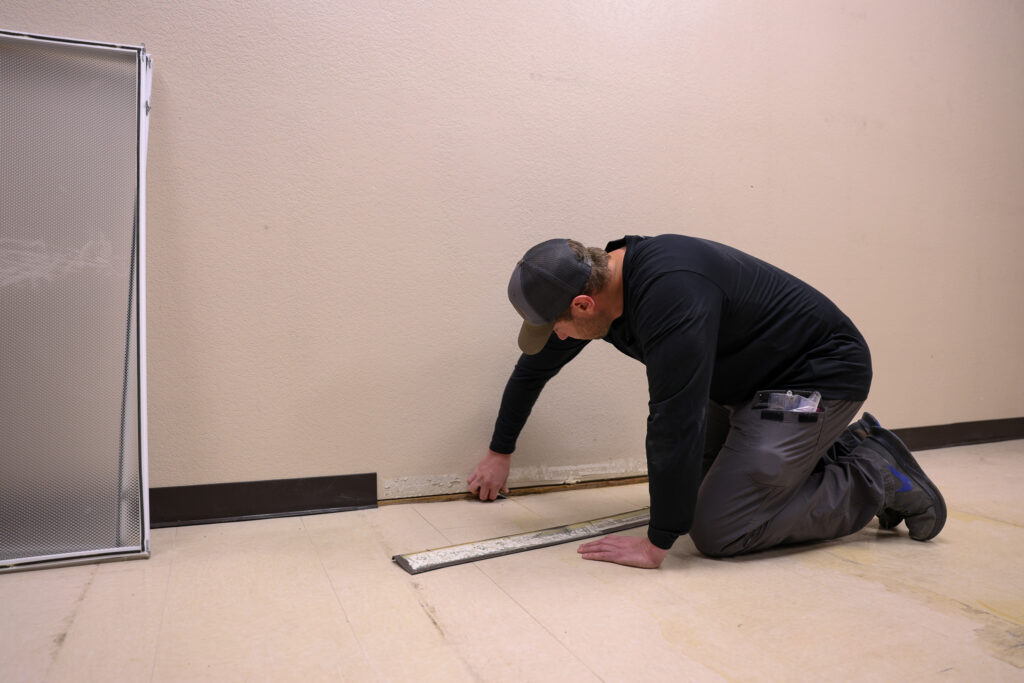
At Legacy Restoration, restoration begins before any equipment is set up. We listen first—understanding what happened, where the water came from, and how long it was present. From there, we conduct moisture testing, document affected areas, and build a clear plan based on facts, not assumptions.
This step is essential for determining the right drying strategy and scope of work.
Documentation and Testing Matter
Professional restoration relies on moisture readings, thermal imaging, and detailed documentation. These tools help ensure:
All affected areas are identified
Drying is targeted and effective
Insurance documentation is accurate
Nothing is overlooked
Without this process, drying efforts may be incomplete or misdirected.
Proper Restoration Protects Your Home Long-Term
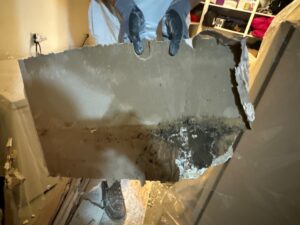
True restoration goes beyond drying. It includes verifying that materials are fully dry, removing damaged materials when necessary, preventing secondary damage, and restoring the space safely and correctly.
Taking the time to do it right helps protect your home, your health, and your investment.
The Right Approach Makes the Difference
Fast action matters—but informed action matters more. Proper restoration balances urgency with accuracy, ensuring the job isn’t just done quickly, but done correctly.
At Legacy Restoration, we believe cutting corners creates bigger problems later. That’s why we focus on thorough assessment, clear communication, and a restoration process built on trust.
Because drying fast is helpful—but restoring properly is essential.