Step 1: Prioritize Safety First
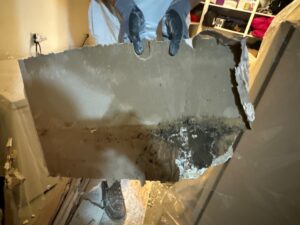
Before worrying about cleanup or repairs, make sure the space is safe.
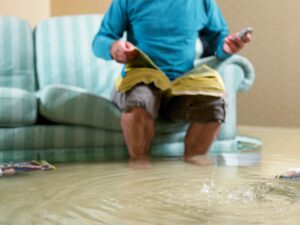
If there’s standing water, avoid electrical areas
After a fire, watch for structural damage and lingering smoke
If mold is suspected, limit exposure and avoid disturbing affected areas
If you’re unsure whether it’s safe to enter your home, don’t guess—wait for professionals.
Step 2: Stop the Source (If Possible)
If you can safely stop the cause of damage, do so immediately.
Examples:
Shut off the main water valve for leaks or flooding
Turn off HVAC systems spreading smoke or moisture
Secure the property if windows or doors are compromised
If stopping the source isn’t obvious or safe, this is when calling a restoration professional matters most.
Step 3: Document Everything
Insurance claims live and die on documentation.
Before cleanup begins:
Take photos and videos from multiple angles
Capture damaged contents and structural areas
Write down when the damage occurred and what you noticed
This step alone can save weeks of back-and-forth with insurance later.
Step 4: Don’t Start Major Cleanup Yourself
This is one of the biggest mistakes homeowners make.
Avoid:
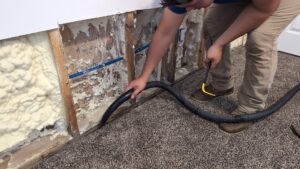
Removing soaked drywall or insulation
Scrubbing mold-affected areas
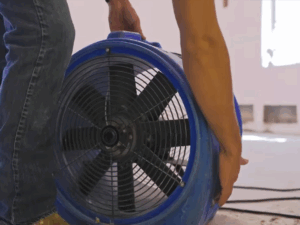
Using household fans on water damage
Improper cleanup can spread contamination, worsen damage, or void parts of an insurance claim.
Step 5: Call a Restoration Professional Early
Restoration isn’t just cleanup—it’s controlled mitigation.
A professional restoration team:
Uses moisture meters and thermal imaging
Prevents secondary damage like mold growth
Helps guide the insurance process
Creates a documented mitigation plan
Early involvement often reduces overall repair time and cost.
Step 6: Think Beyond What You Can See
Damage hides in walls, under flooring, and inside HVAC systems.
What looks “dry” or “fine” on the surface can:
This is why professional assessments matter—even when damage seems minor.
What Makes the Difference
At Legacy Restoration, we don’t just respond to emergencies—we help homeowners regain control during stressful moments. Knowing what to do in the first 24 hours can protect your home, your health, and your peace of mind.
When something goes wrong, having a plan makes all the difference.