Smoke Travels Far Beyond the Flames
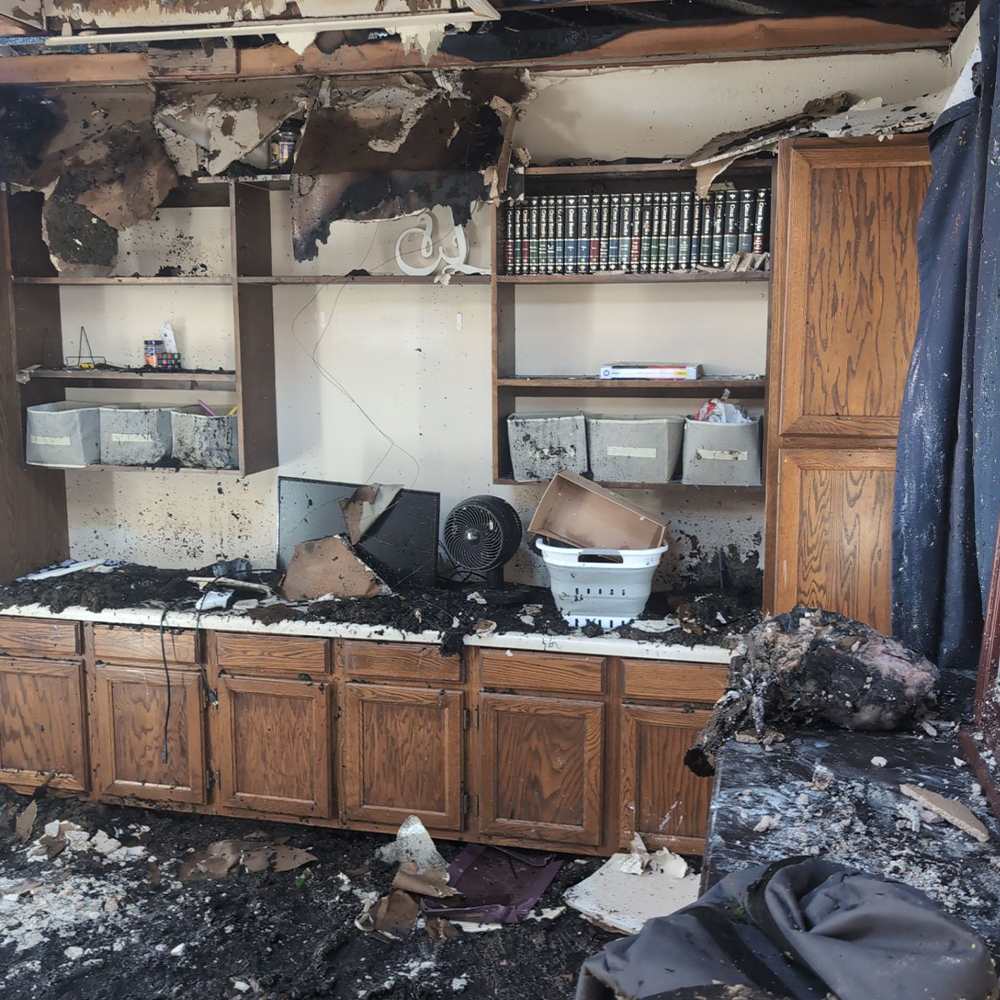
Even if the fire was contained to one room, smoke doesn’t stay there.
Smoke particles move through:
HVAC systems
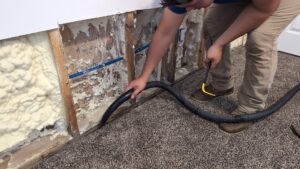
Wall cavities
Attic spaces
Electrical outlets
Plumbing penetrations
That means rooms that appear untouched can still be contaminated.
Soot Is Corrosive — And It Starts Working Immediately
Soot isn’t just dirty residue. It’s acidic.
Within hours, soot can:
The longer soot remains, the harder — and more expensive — it becomes to remove.
Professional cleaning isn’t cosmetic. It’s protective.
Water Damage Often Follows Fire Damage
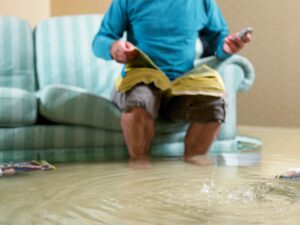
Fire suppression — whether from sprinklers or fire department hoses — introduces large amounts of water into the home.
This creates a second layer of damage:
Saturated drywall
Warped flooring
Insulation breakdown
Hidden moisture pockets
Without proper drying and mitigation, mold can begin developing within days.
Odor Doesn’t Go Away on Its Own
That lingering smoke smell? It’s not just “in the air.”
Odor particles embed into:
Insulation
Upholstery
Framing
HVAC systems
Masking odors doesn’t solve the problem. Proper restoration requires:
Structural Integrity Can Be Compromised
Even if parts of the home appear stable, fire can weaken:
Roof trusses
Floor joists
Load-bearing walls
Heat exposure changes the structural integrity of wood and metal components.
A professional restoration assessment ensures your home is safe before rebuilding begins.
The Emotional Impact Is Real
Fire damage isn’t just physical — it’s deeply personal.
You’re not just restoring drywall.
You’re restoring stability, security, and peace of mind.
At Legacy Restoration, we understand that the recovery process needs more than tools and equipment — it requires communication, clarity, and compassion.
Why Professional Restoration Matters
Fire damage restoration isn’t about surface repairs. It’s about:
Identifying hidden contamination
Preventing long-term corrosion
Ensuring structural safety
Protecting indoor air quality
Guiding you through insurance documentation
Attempting partial cleanup or hiring non-specialized contractors can leave behind long-term risks.
When Fire Strikes, Experience Matters
Legacy Restoration responds quickly, evaluates thoroughly, and restores completely. Our team understands the science behind fire, smoke, and water damage — and we know how to bring homes back safely.
If you’ve experienced fire damage, even if it appears minor, don’t assume the damage ends where the flames stopped.