Water Damage Restoration in the Gila Valley: What Happens After a Leak Is Fixed?
Water Damage Restoration in the Gila Valley: What Happens After a Leak Is Fixed?
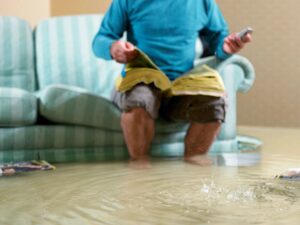
A repaired leak is a relief. But if you’re left with stained drywall, swollen flooring, or a musty smell, your home may still need attention.
Water damage restoration in the Gila Valley starts with understanding what happened after the water entered your home. Fixing a pipe stops the source. It doesn’t automatically dry the materials around it or repair the damage.
For homeowners in Thatcher, Safford, Pima, and surrounding communities, that distinction matters—especially when you’re hoping to finish repairs before holiday visitors arrive.
At Legacy Restoration, we help homeowners address water and mold damage before moving forward with cosmetic repairs.
Why Water Damage Can Remain After a Plumbing Repair
Water doesn’t always stay near the leaking pipe or appliance. It can reach adjoining materials and spaces that aren’t easy to see.
Depending on the location and extent of the leak, affected areas may include:
Drywall and insulation.
Flooring and the subfloor beneath it.
Cabinets and nearby trim.
Wall cavities and adjoining rooms.
A ceiling stain or damp cabinet can indicate where water traveled, but it doesn’t show the full extent of the damage.
That’s why repairing the plumbing and restoring the affected area are separate steps.
Signs Your Home May Need Water Damage Restoration
Some damage is obvious. Other signs become noticeable after the visible water has been cleaned up.
Contact a restoration professional if you notice:
Water stains that return or continue spreading.
Soft, swollen, or deteriorating drywall.
Flooring that lifts, buckles, or changes shape.
Cabinet materials that swell or separate.
Persistent dampness or a musty odor.
Suspected mold near an affected area.
These signs don’t establish the cause on their own. They indicate that the area deserves an assessment before you cover it with paint, trim, or new flooring.
What Happens During Professional Water Damage Restoration?
Every property is different, but restoration generally involves assessing the affected materials, addressing remaining moisture, and determining what can be retained.
Assessing the Affected Area
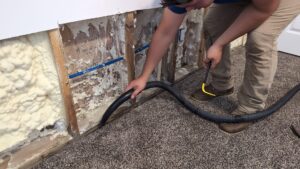
The restoration team examines the visible damage and checks areas where water may have spread. Information about the leak’s source and duration helps guide that assessment.
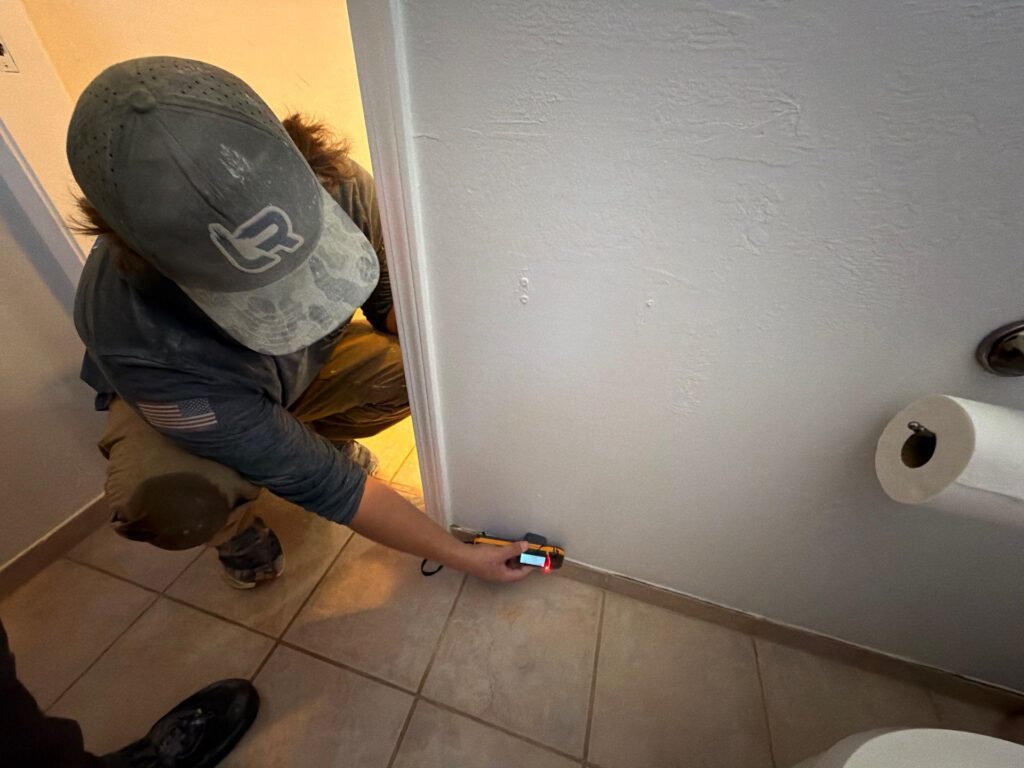
Professional moisture measurements can provide information that appearance or touch alone cannot.
Drying Materials That Can Be Saved
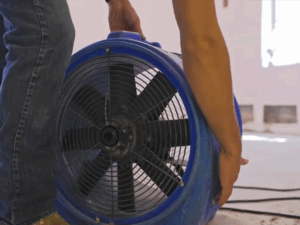
When materials are suitable for drying, professional equipment and monitoring help manage the process.
A wall feeling dry on the surface doesn’t necessarily establish that the entire affected area is ready for repairs. Drying progress needs to be evaluated rather than assumed.
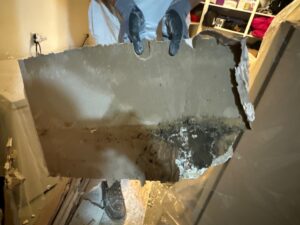
Identifying Materials That Need Removal
Some materials may be too damaged or contaminated to retain. Others may be suitable for restoration.
The water source, material condition, and extent of damage influence that decision. The goal is to establish an appropriate plan for your home.
When Does Water Damage Become a Mold Concern?
Moisture left unresolved can create conditions that support mold growth.
If you notice suspected mold or a lingering musty smell after a leak, avoid simply painting over the area. The moisture source and affected materials need attention.
Mold remediation and water damage restoration are related, but not every water loss requires the same response. An assessment helps determine whether mold is a concern and what work is appropriate.
Legacy Restoration provides both water damage restoration and mold remediation for Gila Valley homes and businesses.
Can You Paint or Replace Flooring After a Leak?
Before cosmetic repairs begin, confirm that the moisture issue has been addressed and the affected materials have been evaluated.
Paint won’t dry damp drywall. New flooring won’t resolve moisture beneath it. Covering damage too soon can mean reopening the area later.
There is no single waiting period that works for every home. Drying depends on the materials, amount of water, time wet, and access to affected spaces.
If you’re planning repairs before Thanksgiving or other holiday gatherings, allow time for assessment and restoration first.
What to Tell Your Water Damage Restoration Company
When contacting Legacy Restoration, share what you know about the problem:
Where the water came from.
When you discovered it.
Whether the leak has been repaired.
Which areas were affected.
Any staining, swelling, odors, or suspected mold.
Photos from when you first discovered the damage may also help explain what happened.
You don’t need to diagnose the problem before calling. Start with what you’ve noticed.
Water and Mold Damage Help in Thatcher, Safford, and Pima
Legacy Restoration is based in Thatcher and serves homeowners and businesses throughout the Gila Valley.
If a repaired leak has left you wondering whether your home is ready for paint, flooring, or other repairs, our team can help assess the remaining damage and explain the next steps.
Call Legacy Restoration at (928) 224-9115 or visit legacyrestorationaz.com for water damage restoration and mold remediation in the Gila Valley.