Fall Mold Damage in the Gila Valley: 7 Things Homeowners Should Check Now

Fall Mold Damage in the Gila Valley: 7 Things Homeowners Should Check Now
Fall in the Gila Valley brings cooler mornings, shorter days, and finally a little relief from the summer heat.
It can also be a good time to take a closer look around your home.
After months of summer heat, monsoon storms, air conditioning, and occasional spikes in humidity, moisture may have found its way into places you don’t regularly see. And just because the rain stops doesn’t necessarily mean the problem goes away.
Mold doesn’t need Arizona to feel like a rainforest. It needs moisture, the right materials, and enough time.
As we head into fall, here are seven things Gila Valley homeowners should check around their homes.
1. Look Back at Any Areas That Got Wet During Monsoon Season
Remember that roof leak you thought dried up?
Or the little bit of water that came through a window during a storm?
Now is the time to check it again.
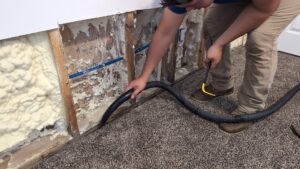
Water can travel behind drywall, underneath flooring, into insulation, and through other materials before showing obvious signs on the surface. Legacy Restoration’s recent work on hidden monsoon moisture highlights walls, flooring, attics, windows, doors, and low areas around exterior walls as places where water can remain hidden.
Look for discoloration, bubbling paint, warped materials, staining, or a musty smell.
If something doesn’t look or smell right, don’t assume the problem disappeared when the storm did.
2. Check Under Sinks and Around Plumbing
Not every mold problem starts with a major flood.
Sometimes it’s the slow drip under the kitchen sink that nobody notices for weeks.
Take a flashlight and look underneath sinks, around toilets, near the water heater, behind appliances, and anywhere else plumbing connections are located.
Pay particular attention to cabinets or drywall that feel soft, swollen, or discolored.
Legacy Restoration notes that mold problems can develop from sudden water leaks, slow drips, or prolonged moisture—and growth isn’t always visible because it can occur behind walls, underneath floors, and above ceilings.
3. Take a Look Around Your Windows and Doors
Monsoon storms in the Gila Valley can push rain into some interesting places.
Wind-driven rain may find small gaps around windows and doors that don’t normally cause problems during our dry months.
As you move into fall, check the drywall, trim, baseboards, and flooring surrounding exterior doors and windows.
Peeling paint, swelling, staining, or a persistent musty odor could indicate that moisture got farther into the home than you realized.
4. Don’t Forget About the Attic
Your attic isn’t exactly the first place you want to spend time after a Gila Valley summer.
Fortunately, fall is a much better time to take a look.
Roof leaks can allow moisture into insulation, rafters, and ceiling materials. Even more frustrating, water doesn’t always travel straight down. The stain on your ceiling may be several feet away from where water originally entered.
If you had any roof concerns during the summer storms, fall is a good time to inspect those areas more closely.
5. Pay Attention to Musty Smells
Sometimes your nose finds a moisture problem before your eyes do.
If one room, closet, cabinet, or area of your house consistently smells musty or earthy, pay attention.
Don’t simply cover the odor with an air freshener and move on.
Visible mold can sometimes be only part of a larger problem. Legacy Restoration’s remediation process focuses on identifying the moisture source and evaluating both visible and hidden growth before removing affected materials and thoroughly drying the area.
6. Keep Moisture Under Control Even as Temperatures Cool
As temperatures become more comfortable, homeowners naturally start using their air conditioners less and opening up the house more often.
That’s one of the best parts of fall in the Gila Valley.
But moisture inside the home still deserves attention.
Bathrooms, kitchens, laundry rooms, plumbing leaks, HVAC equipment, and other areas can create pockets of moisture regardless of how dry it feels outside. Good ventilation and quickly addressing leaks can make a big difference.
7. Don’t Just Clean What You Can See
Finding a small area of mold and wiping it away might feel like you’ve solved the problem.
But the bigger question is:
Why was mold able to grow there in the first place?
If moisture is still present behind the wall, underneath the flooring, or somewhere nearby, cleaning the visible surface doesn’t necessarily address the source.
That’s why professional mold remediation is focused on more than simply removing what you can see.
Legacy Restoration’s mold remediation process includes identifying and stopping the moisture source, assessing visible and hidden growth, containing affected areas, removing contaminated materials when necessary, drying the area, and completing additional cleaning and clearance steps.
Fall Is a Great Time for a Home Checkup
Living in the desert doesn’t make a home immune to mold.
In fact, the transition from monsoon season into fall gives Gila Valley homeowners a perfect opportunity to look for problems that may have started during the summer.
Walk through your home.
Check the places that got wet.
Look underneath sinks.
Inspect around windows and doors.
Pay attention to strange smells.
And if you find something concerning, don’t wait for a small moisture problem to become a much bigger restoration project.
Legacy Restoration is locally owned and operated in Thatcher and serves homeowners and businesses throughout the Gila Valley with professional water damage restoration and mold remediation.
If you suspect mold or hidden moisture in your home, call Legacy Restoration at (928) 224-9115 or visit LegacyRestorationAZ.com.