The 72-Hour Window: What Really Happens After Water Damage
The 72-Hour Window: What Really Happens After Water Damage
It doesn’t start with mold.
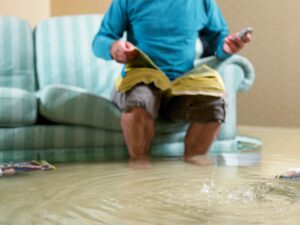
It starts with a small leak. A burst pipe. A washing machine that overflows while you’re out of the house.
At first, it just looks like water.
But what most homeowners don’t realize is this:
The moment water enters your home, a clock starts ticking.
And within just 72 hours, that small issue can turn into a serious mold problem.
Hour 0–24: “It’s Just Water… Right?”
In the first 24 hours, the damage is already underway—even if everything still looks manageable.
Water begins soaking into:
- Drywall (which acts like a sponge)
- Wood framing and flooring
- Carpet and padding
- Baseboards and insulation
At this stage, many homeowners focus on what they can see—mopping up water, setting out fans, or opening windows.
But beneath the surface, materials are already absorbing moisture deeply.
And once that happens, simple drying isn’t enough.
Hour 24–48: The Invisible Spread
By the second day, the problem starts to expand—even into areas that were never directly wet.
Moisture begins to:
- Travel through walls and insulation
- Increase indoor humidity levels
- Settle into hidden pockets behind cabinets and under flooring
This is where things become deceptive.
A room may appear dry, but elevated moisture levels can still exist behind the scenes—creating the perfect environment for mold to begin forming.
Water damage doesn’t stay contained. It spreads.
Hour 48–72: Mold Begins to Take Hold
This is the critical turning point.
Within 48–72 hours:
- Mold spores begin to activate
- Colonies start forming in damp materials
- Air quality can begin to decline
You may not see it yet—but it’s there.
And here’s the key truth most people don’t know:
By the time you smell mold, it’s already been growing.
After 72 Hours: A Small Problem Becomes a Big One
Once mold takes hold, the situation becomes more complex—and more costly.
Now you’re dealing with:
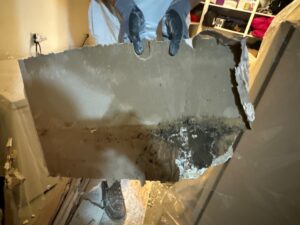
- Contaminated materials that may need to be removed
- Mold spreading behind walls and under floors
- Potential health concerns from airborne spores
What could have been a straightforward dry-out may now require full mold remediation.
Why DIY Cleanup Often Misses the Real Problem
It’s natural to try to handle water damage yourself—but most DIY efforts only address the surface.
The real issue is what you can’t see.
Common problem areas include:
- Behind baseboards
- Under cabinets
- Inside walls
- Beneath flooring and carpet padding
Standard fans and household dehumidifiers simply aren’t designed to remove moisture from these hidden areas.
And trapped moisture is exactly what mold needs to grow.
How Professionals Stop Mold Before It Starts
At Legacy Restoration, we approach water damage with one goal:
Stop the problem before it becomes mold.
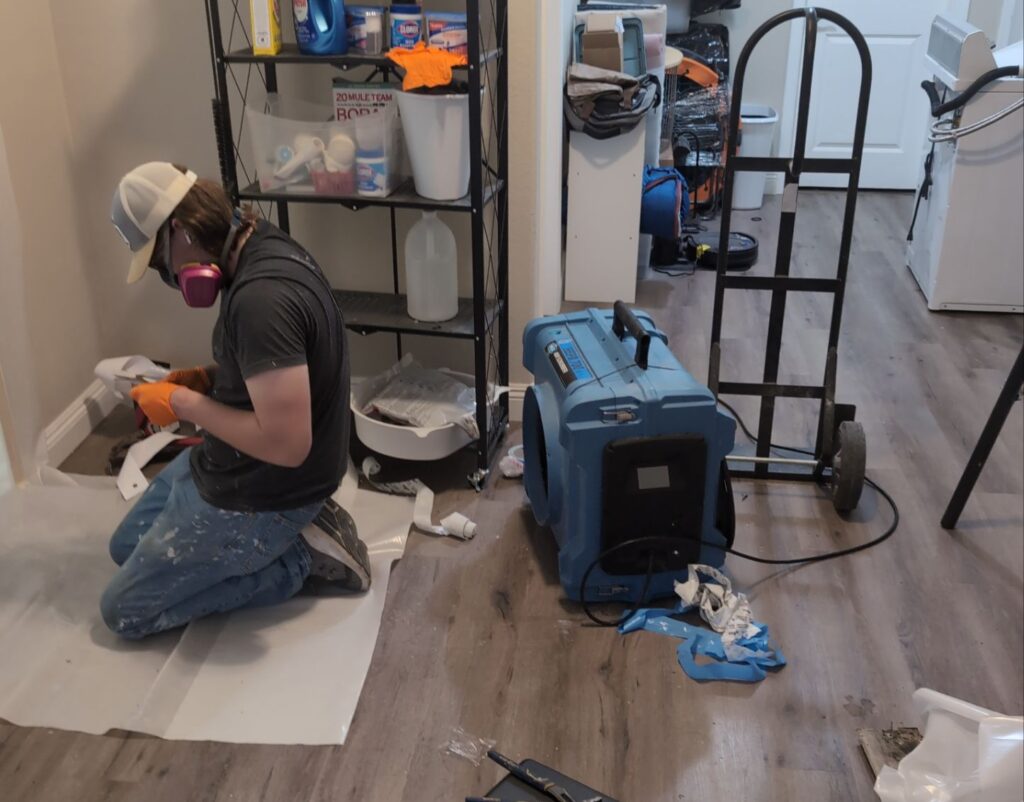
That means using specialized tools and techniques like:
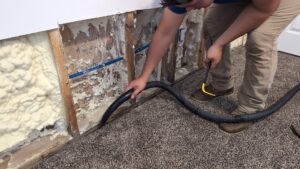
- Moisture mapping to detect hidden water
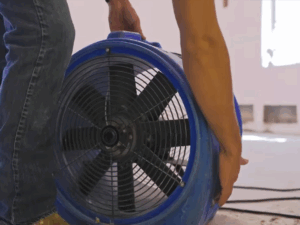
- Industrial-grade drying equipment
- Strategic airflow and dehumidification
- Containment to prevent spread
It’s not just about drying what’s visible—it’s about eliminating moisture at the source.
The Real Cost of Waiting
The difference between acting early and waiting just a few days can be significant.
Early response:
- Faster drying
- Less damage
- Lower cost
- Minimal disruption
Delayed response:
- Mold growth
- Material removal
- Higher restoration costs
- Longer timelines
In many cases, those extra 24–48 hours make all the difference.
Don’t Let Time Work Against You
Water damage doesn’t wait—and neither should you.
If your home has experienced a leak, flood, or unexpected water issue, the most important step you can take is acting quickly.
Because in restoration, timing isn’t just important—
It’s everything.