What Homeowners Worry About (and Don’t Always Say Out Loud)
When someone hears “we need to open this up,” their mind goes straight to:
Those fears are valid. But they’re also why guessing, patching, or waiting usually makes things worse.
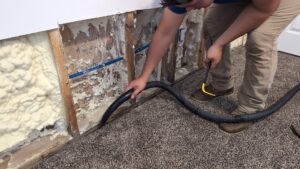
Why Restoration Starts With Looking, Not Covering
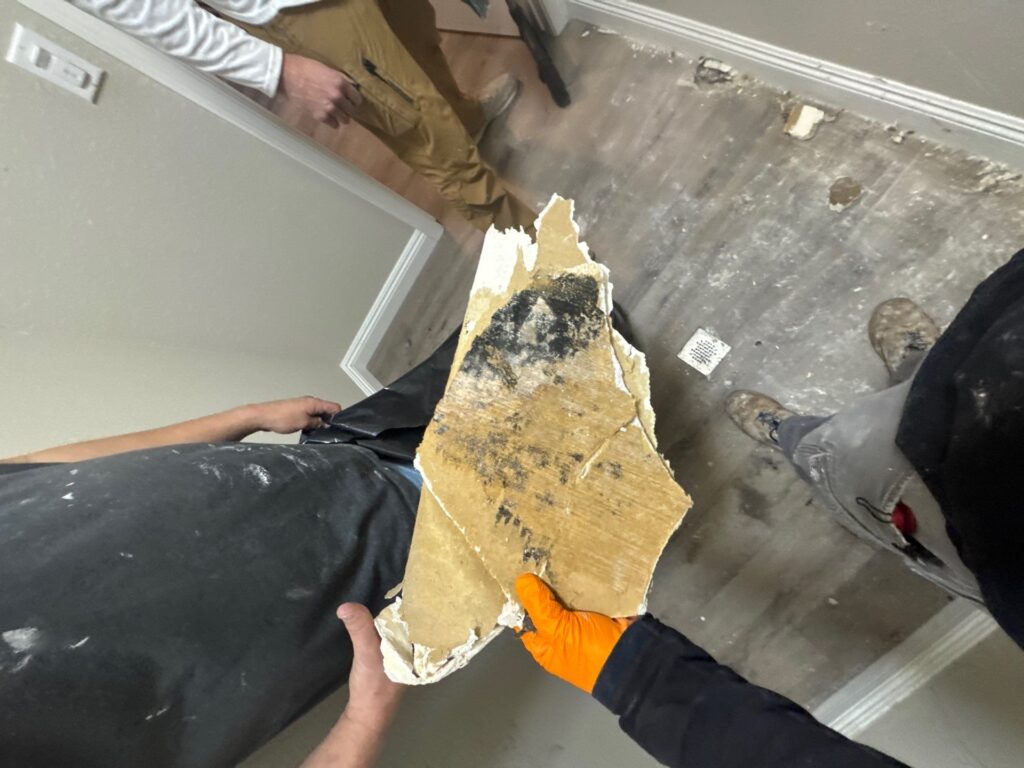
Damage hides well.
Water doesn’t stay where it enters. It follows framing, gravity, and time. Mold doesn’t announce itself loudly—it grows quietly. Structural issues don’t show up until something gives.
At Legacy Restoration, opening a wall isn’t a last resort. It’s a decision made so the problem doesn’t stay invisible.
You can’t fix what you can’t see.
The Difference Between “Fixing” and “Restoring”
Fixing is about making something look normal again.
Restoring is about making sure it is normal again—safe, dry, and stable beneath the surface.
That’s why restoration involves:
Containment to protect the rest of the home
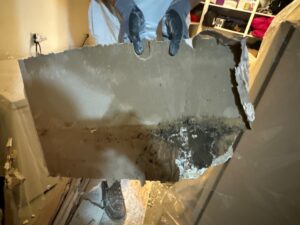
Controlled demolition instead of random tear-out
Investigation before reconstruction
The goal isn’t speed for speed’s sake. It’s confidence that the issue won’t come back.
Why This Matters Right Now
We’re seeing more hidden damage than ever.
Homes are aging. Weather events are less predictable. Plumbing systems work hard year after year. And many issues start small enough to be ignored—until they aren’t.
Catching damage early doesn’t just save money. It saves time, stress, and second repairs.
What Peace of Mind Actually Looks Like
Peace of mind doesn’t come from covering damage with fresh paint.
It comes from knowing:
When the wall goes back up, it’s not because the problem was hidden again—it’s because it was solved.
Legacy Restoration’s Role
Our job isn’t to alarm homeowners. It’s to guide them through a process most people never expect to face.
We explain what we see. We show what we find. And we restore homes in a way that makes sense—not just for today, but for the long run.
Because sometimes, the right move forward starts with opening the wall.